Industrial Energy Saving Insulation Systems
Refinery Thermal Protection and Heat Conservation Systems
Inspection-friendly insulation covers for refineries, process plants, valves, flanges, pumps, and high-temperature oil and gas equipment.
Oil and gas facilities require durable insulation systems that reduce heat loss while supporting frequent inspection and maintenance access.

Industry Operational Requirement
Refinery Thermal Protection and Heat Conservation Systems
Oil and gas plants operate with process lines, valves, pumps, flanges, heat exchangers, separators, and refinery equipment that must maintain temperature stability. Exposed hot surfaces increase heat loss, create burn hazards, and raise operating cost.
Refinery insulation must handle outdoor exposure, maintenance access, inspection requirements, and demanding operating conditions. Removable insulation covers solve the problem of fixed insulation being damaged during repeated inspection work.

Thermal Loss, Maintenance & Safety Problems
Operational Challenges in This Industry
Industrial heat loss is not only an energy problem. It affects maintenance speed, operator safety, equipment access, insulation replacement cost, and long-term plant efficiency.
Why Fixed Insulation Often Fails
Traditional fixed insulation is difficult to remove and often gets damaged during inspection or repair. Once removed, it may not be reinstalled properly, leaving valves, flanges, pumps, and hot surfaces exposed.
01. Frequent inspection required on refinery valves, flanges, pumps, and process connections
02. Heat loss from process lines can affect temperature stability
03. Fixed insulation is often damaged during inspection and repair
04. Outdoor refinery areas require weather-resistant insulation design
05. Hot surfaces increase safety risk for operators and maintenance teams
Equipment-Specific Applications
Where Our Thermal Insulation Systems Are Used
Each industry has different equipment, access points, temperature zones, and maintenance requirements. Our insulation systems are custom designed according to equipment shape, operating temperature, and site conditions.
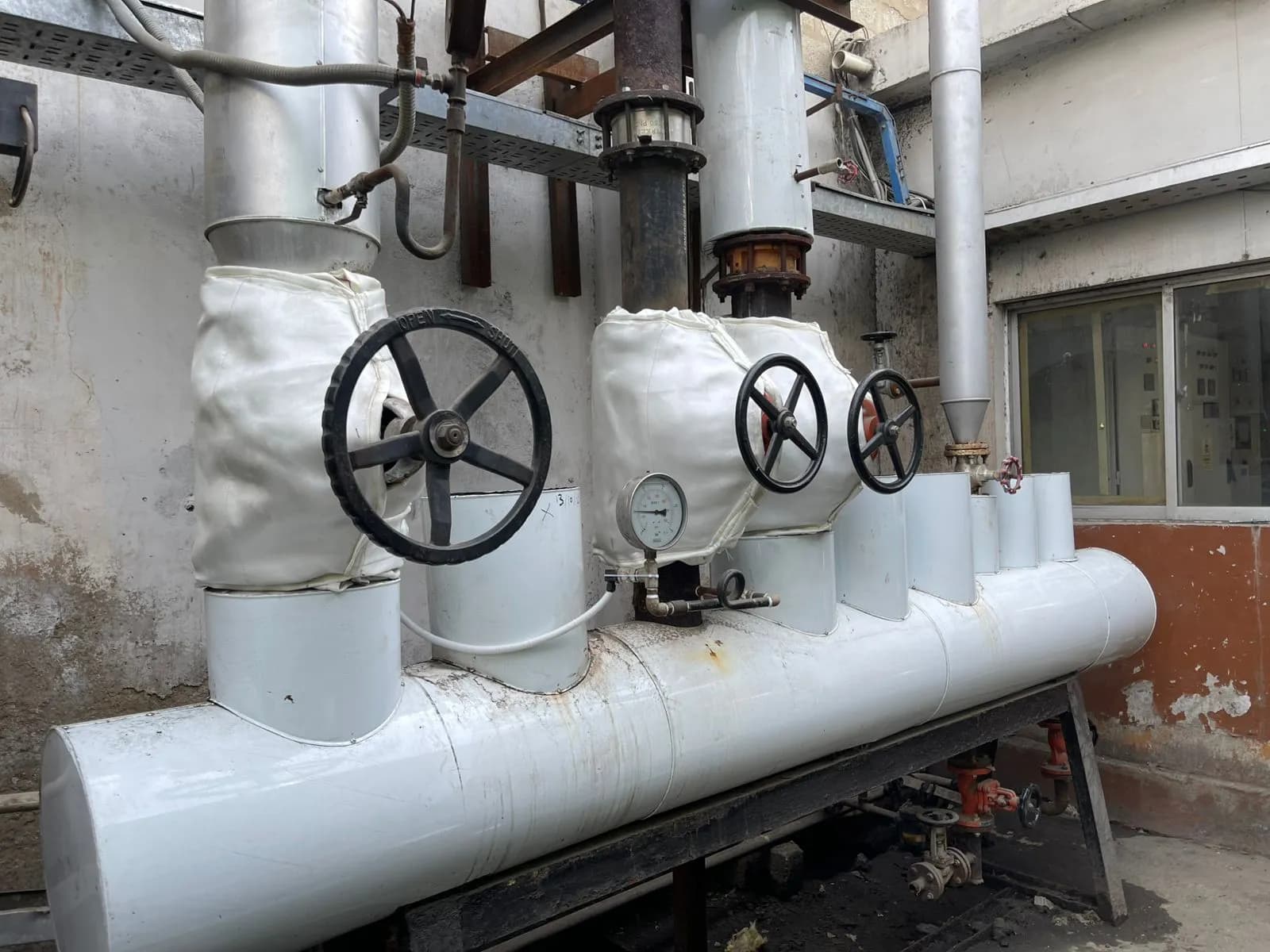
Refinery valve insulation covers
Flange insulation blankets
Pump body insulation jackets
Heat exchanger insulation covers
Separator vessel access covers
Process piping thermal covers
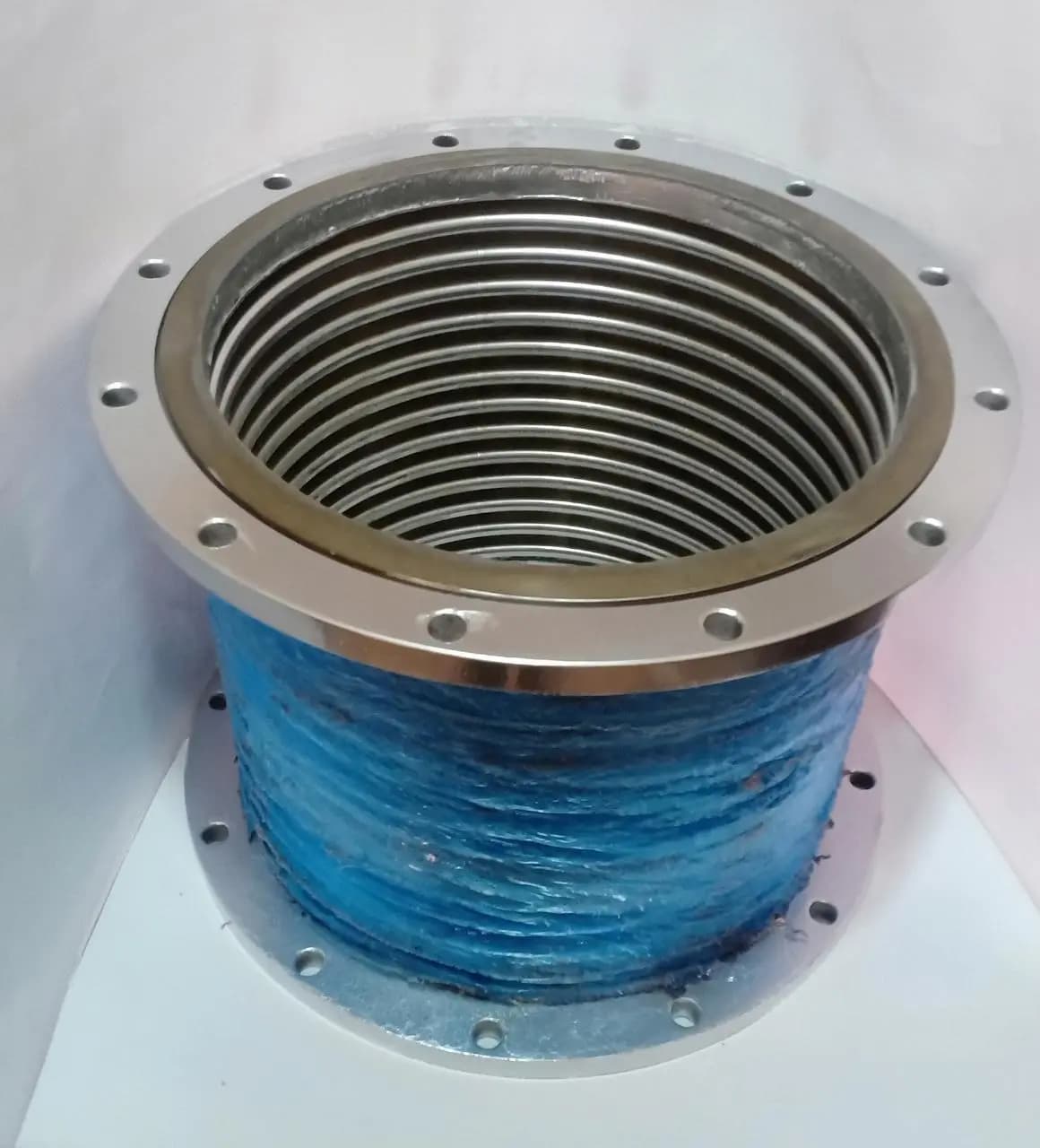
Expansion joint insulation covers
Instrument-access removable covers
Related Services
Industrial Services for Refinery Thermal Protection and Heat Conservation Systems
Explore core MSEW services connected with this industry, including removable insulation jackets and metallic expansion bellows.
Removable Insulation Jackets Manufacturer
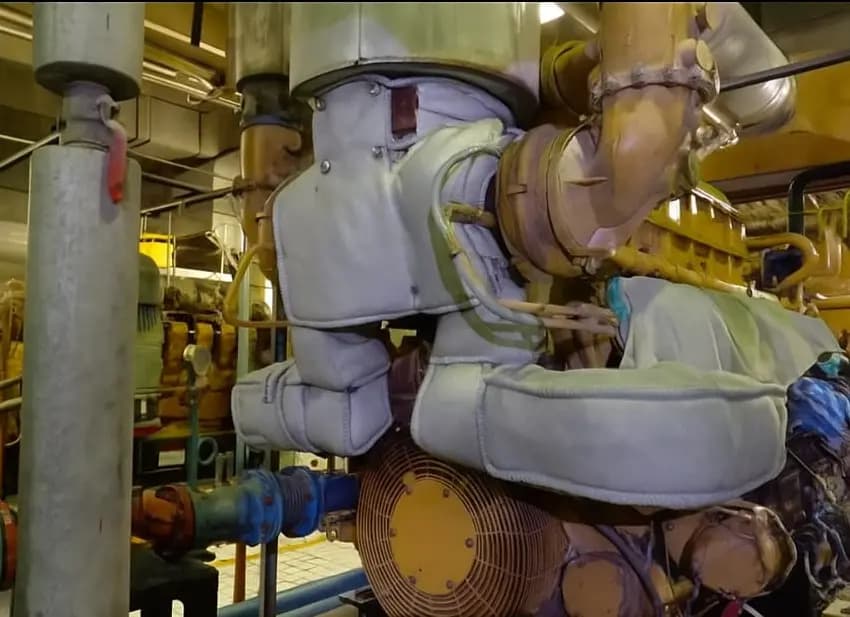
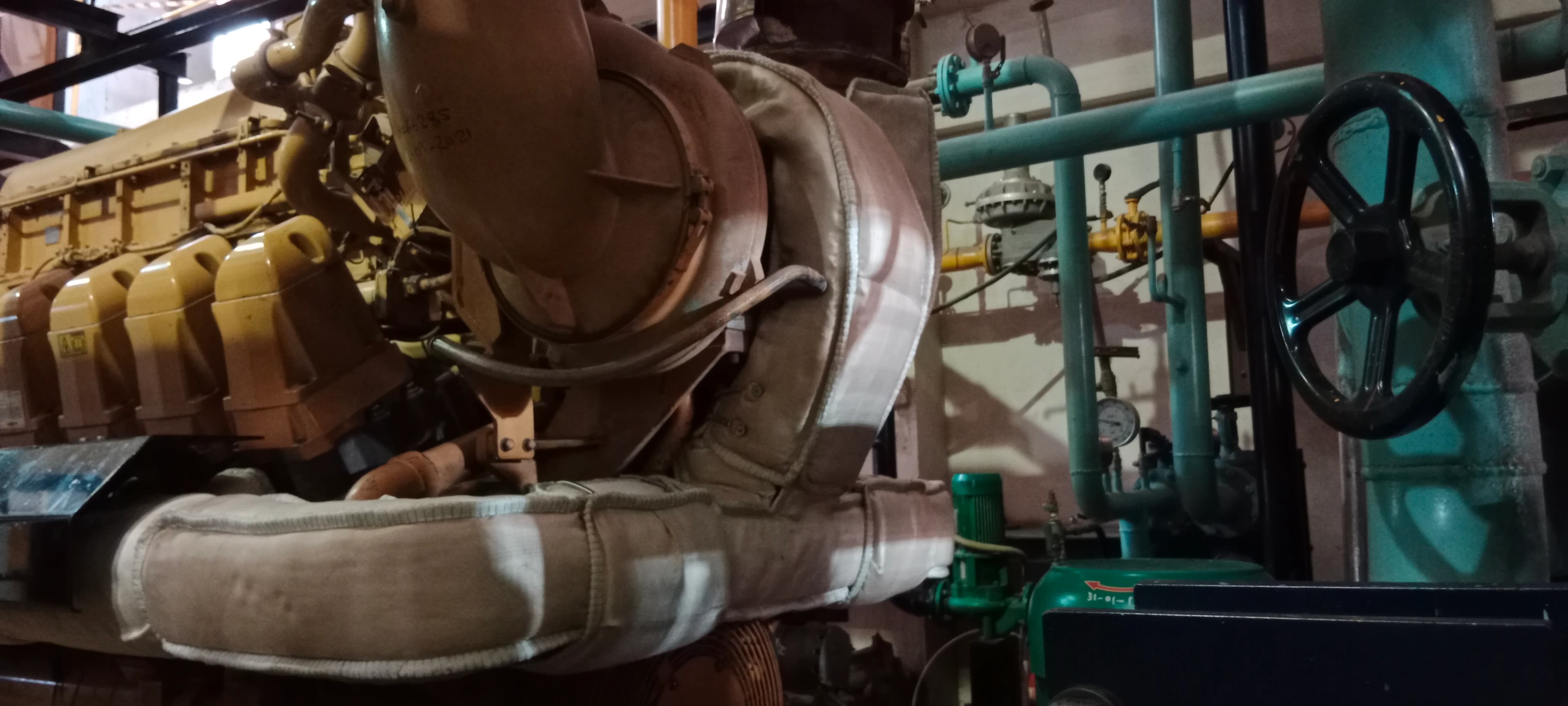
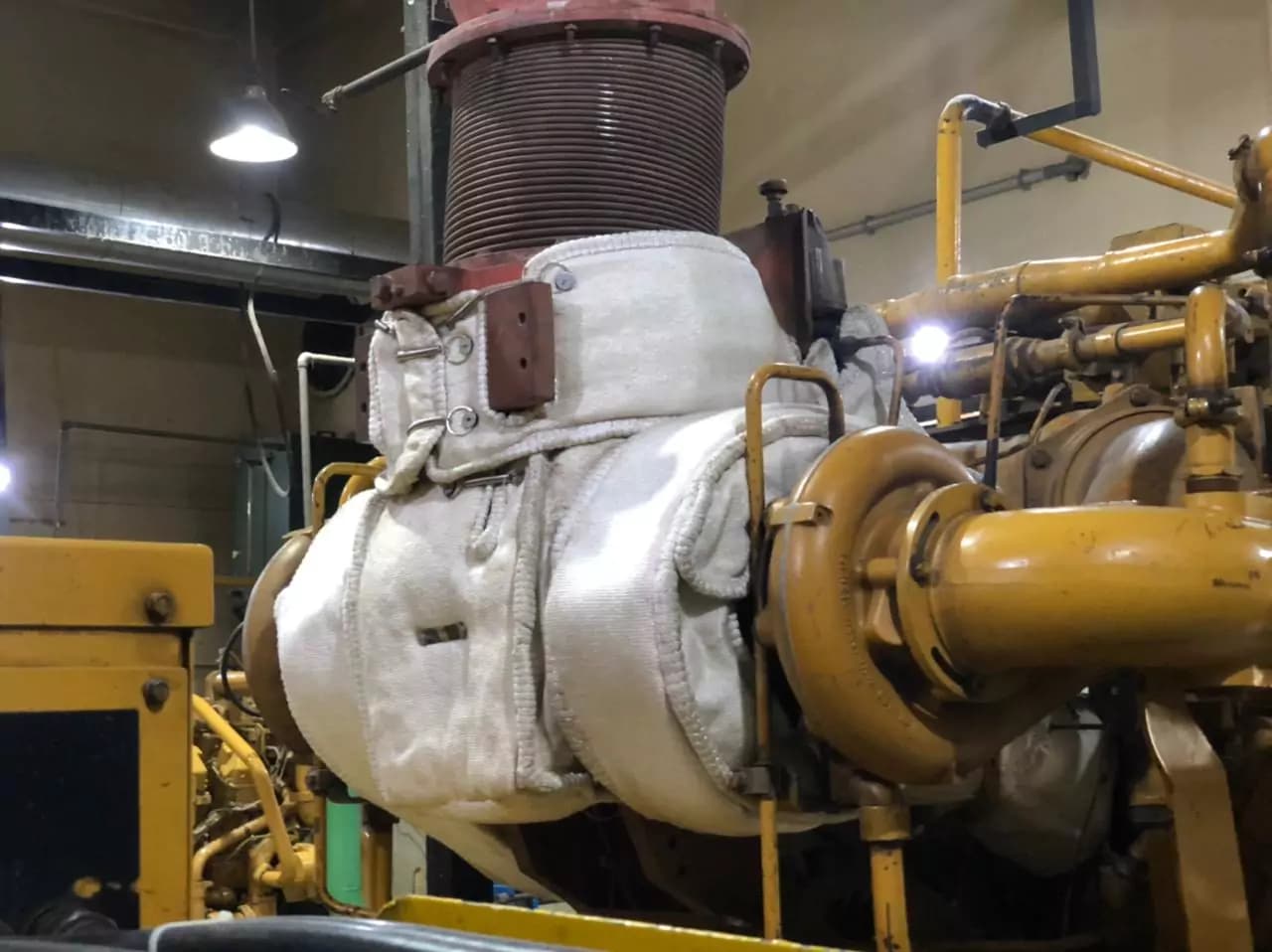
Custom removable insulation covers for valves, flanges, turbines, generators, exhaust systems and industrial hot surfaces.
View Service →
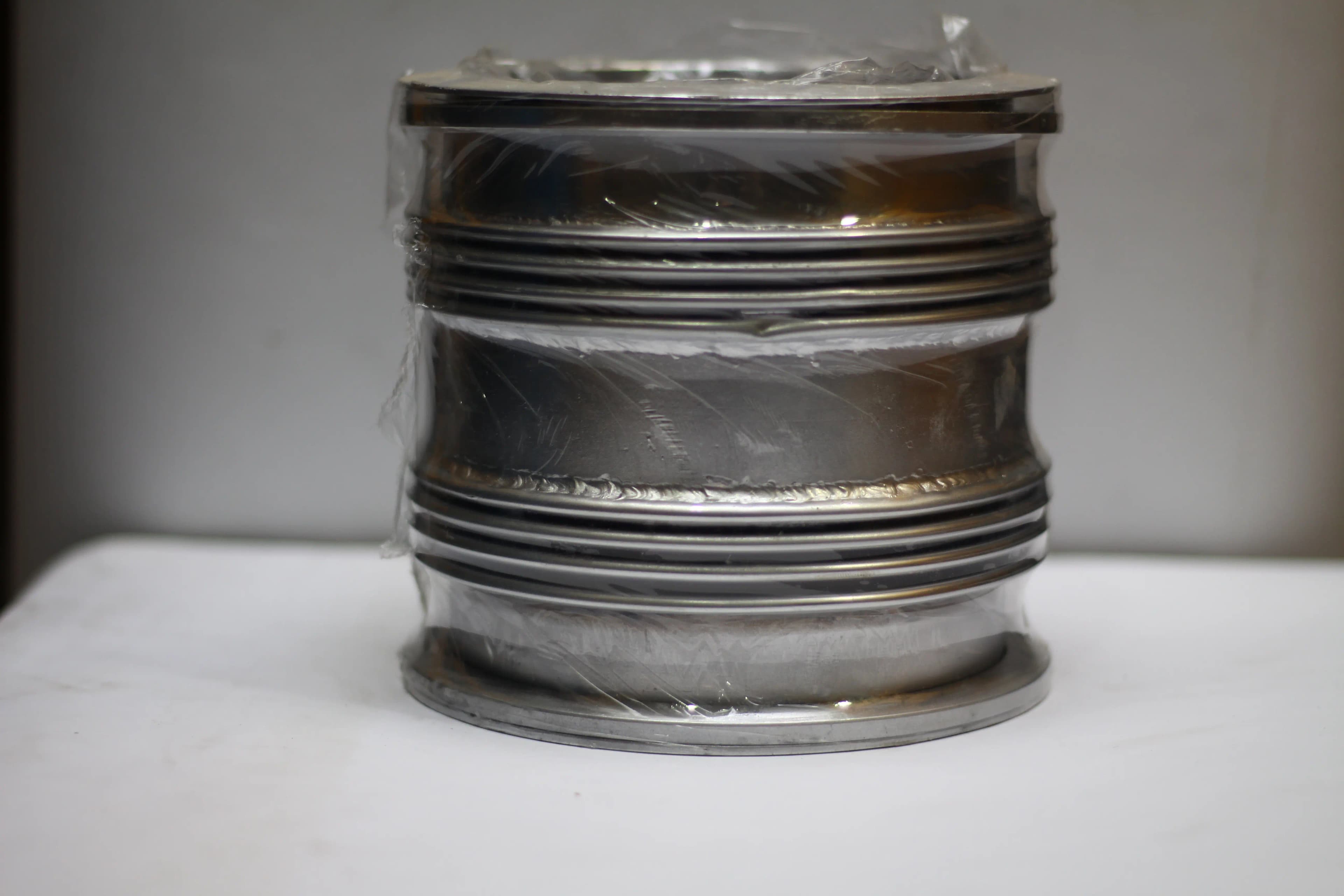
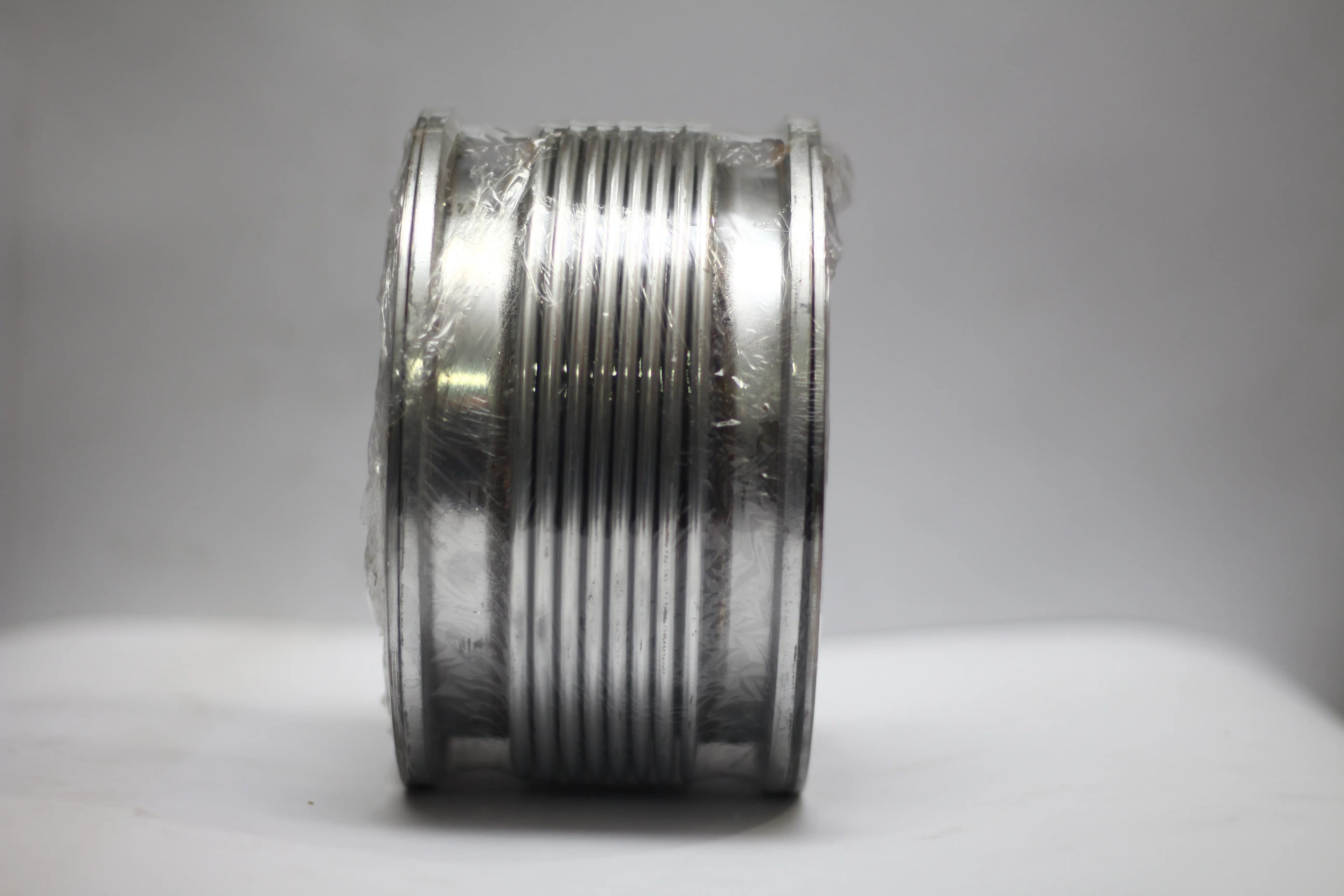
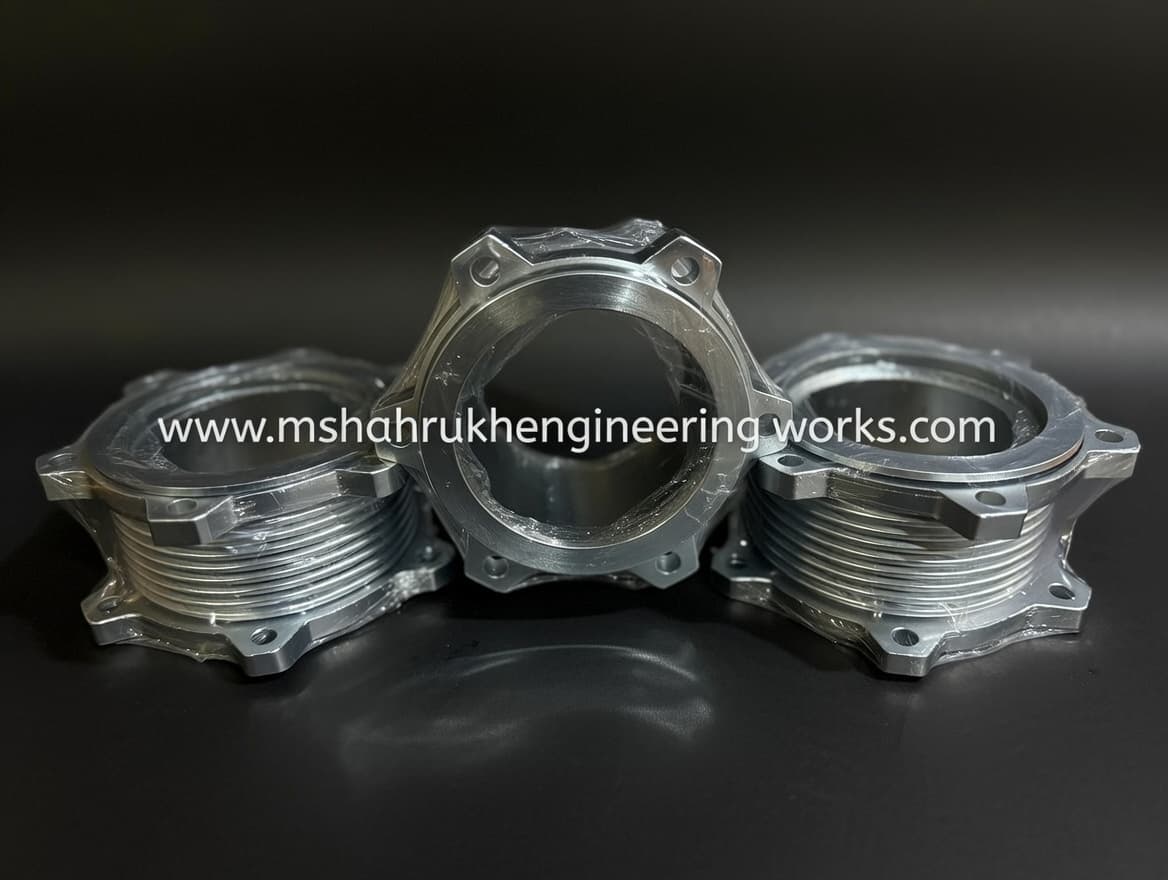
Metallic Expansion Bellows Manufacturer
Custom metallic expansion bellows and flexible joints for exhaust systems, pipelines and industrial equipment movement.
View Service →
Temperature Range Engineering
Material Selection by Operating Temperature
Correct insulation performance depends on temperature, exposure, vibration, maintenance frequency, and equipment geometry. We select material combinations according to actual working conditions.
Temperature
Typical Use
Recommended Material
Up to 250°C
Refinery valves, utility lines, pumps, and low-temperature process equipment
PU coated or silicone coated fiberglass with glass wool / rock wool core
250°C to 500°C
Process piping, heat exchangers, separators, and hot refinery equipment
Silicone coated fiberglass with rock wool or ceramic wool core
500°C to 800°C+
High-temperature process zones, exhaust areas, and special refinery equipment
Ceramic fiber cloth with ceramic wool core
Material Specification
Industrial Fabric, Insulation Core & Closure Systems
Material selection is based on surface temperature, indoor or outdoor service, vibration, chemical exposure, maintenance access, and required insulation life.
Custom Material Engineering
We do not use one standard material for every project. Each cover is engineered according to the equipment temperature, plant environment, handling frequency, and installation method.
01. Weather-resistant coated fiberglass for outdoor refinery service
02. Rock wool or ceramic wool insulation core
03. Oil and moisture-resistant outer fabric options
04. SS hooks, springs, straps, and reinforced closure systems
ROI & Energy Savings
How Insulation Covers Help Reduce Operating Cost
Removable insulation systems are not only a safety product. They can reduce heat loss, lower fuel or electricity waste, reduce repeated insulation replacement, and improve maintenance efficiency.
Commercial Benefits for Plant Owners
01. Reduced recurring insulation replacement after inspections
02. Improved process heat retention
03. Lower energy waste from hot equipment
04. Faster inspection and maintenance access
05. Longer insulation service life on access-critical equipment
Why ROI Improves
Traditional insulation often gets removed during maintenance and is not reused properly. A removable jacket can be opened, reinstalled, and reused multiple times, reducing labor, material waste, heat loss, and downtime.
For high-temperature equipment, even small areas of exposed hot surface can waste energy continuously. Covering valves, flanges, pumps, exhaust systems, and steam equipment helps improve total plant efficiency.
Worker Safety & Thermal Protection
Surface Temperature Reduction for Safer Industrial Operations
High-temperature industrial equipment can expose operators, maintenance teams, and nearby workers to burn hazards and radiant heat. Proper thermal insulation systems improve safety while also supporting operational efficiency.
01. Lower burn risk around valves, flanges, pumps, and process lines
02. Improved safe access during inspection work
03. Reduced radiant heat around operating zones
04. Better protection for maintenance teams working near hot surfaces
Safety + Operational Compliance Advantage
Reducing exposed hot surfaces can improve safety standards, support maintenance teams, and reduce direct contact risk near process equipment, valves, pumps, flanges, and exhaust systems.
Thermal insulation systems also help improve plant discipline by ensuring equipment remains properly insulated after service work.
Custom Engineering & Manufacturing Process
From Site Measurement to Final Fabrication
Every removable insulation system is engineered according to actual equipment dimensions, temperature range, maintenance access points, and plant operating conditions.
01
Review refinery equipment photos and operating temperature
02
Identify access points, instruments, drains, and vents
03
Select material for outdoor, oil, moisture, or high-temperature exposure
04
Fabricate custom covers with reinforced industrial stitching
05
Add cutouts and closures for inspection-friendly use
06
Pack for local supply or export delivery
Export Supply Capability
Industrial Thermal Insulation Supply for International Markets
We support industrial clients, contractors, OEM buyers, EPC companies, and maintenance teams with custom thermal insulation solutions for local and international projects.
Export Support Includes
- Bulk manufacturing capability
- Industrial export packaging
- Custom fabrication for project requirements
- International shipping support
- Documentation assistance
Active Target Markets
Middle East
GCC
Saudi Arabia
UAE
Qatar
Oman
Africa
Pakistan
Technical FAQ
Frequently Asked Questions
Are these covers suitable for refinery valves and flanges?
Yes, they are ideal for refinery valves, flanges, pumps, process lines, and inspection points.
Can covers be made with openings for gauges and instruments?
Yes, covers can include custom cutouts for gauges, drains, vents, instruments, and access points.
Are outdoor refinery covers available?
Yes, weather-resistant coated fiberglass and durable closure systems can be selected for outdoor refinery conditions.
Request Technical Quotation
Need Custom Industrial Thermal Insulation Solutions?
Send refinery equipment photos, dimensions, and temperature range to receive a custom insulation cover proposal.